

If you have handled a few keycap sets, you have probably noticed something confusing: one PBT set can feel dry and grainy, while another PBT set feels almost satin-smooth. ABS can vary too. Some ABS caps feel polished from day one, while others begin with a noticeable texture.
That makes shopping difficult. A recent r/keycaps discussion came from someone who owned both ABS and PBT sets, including dye-sublimated PBT, but still could not predict which new set would feel smooth.
The short answer is that material alone does not determine keycap texture. The surface of the mold usually has the biggest influence. Resin formulation, coatings, production quality, and wear can change the result, while terms such as “dye-sub” and “double-shot” mainly describe how the legends are made.
The Mold Usually Determines the Starting Texture
Most plastic keycaps begin as molten resin injected into a mold. The inside surface of that mold can be polished, lightly abraded, bead-blasted, chemically textured, or finished in another controlled way. That finish is reproduced on the molded part.
This is not unique to keycaps. In its technical guide to injection-molding surface finishes, Protolabs explains that polish and texture are applied directly to the mold and transferred to the part during molding. Its available finishes range from high-gloss diamond buffing to medium bead-blast texture.
For keycaps, that means two factories can use the same general plastic and still produce noticeably different surfaces. A polished cavity can produce a smoother top. A textured cavity can leave a fine, dry grain. Even two sets sold under different brand names may feel similar if their blank keycaps come from the same tooling or supplier.
ABS vs. PBT: Useful Tendencies, Not a Texture Guarantee
ABS and PBT still matter, but they are not reliable labels for “smooth” and “rough.”
ABS keycaps are often associated with a smoother feel and with developing shine after extended use. That reputation is understandable, but new ABS caps can also be made with a matte or textured mold finish. A textured ABS set will not become glassy the moment it leaves the factory.
PBT keycaps are often associated with a drier, more textured feel and better resistance to visible shine. Yet smooth PBT keycaps absolutely exist. A polished mold can produce a smooth PBT surface, and the exact resin blend and molding conditions can affect how strongly the material reproduces the mold texture.
Protolabs makes a similar distinction for injection-molded parts generally: the mold finish is transferred to the part, while material hardness, color, and fillers influence how that texture appears. In other words, plastic choice affects the result, but it does not replace the mold finish.
| Factor | What it tells you | Does it predict smooth vs. grainy? |
|---|---|---|
| ABS or PBT | Plastic family and broad durability tendencies | Not by itself |
| Mold finish | The physical texture formed on the keycap | Usually the strongest clue |
| Dye-sublimation | How dye is transferred into a compatible keycap | No |
| Double-shot molding | How separate plastic shots form legends and the cap | No |
| Coating | A layer added over the molded surface | It can |
| Age and use | Oils, cleaning, and mechanical wear | It can change the feel |
Dye-Sub and Double-Shot Describe Legends, Not the Top Surface
“Dye-sub PBT” is often treated as one texture category, but dye-sublimation is a legend process. Heat moves dye into the surface of a compatible keycap blank. The blank can start smooth or textured depending on how it was molded.
Double-shot molding uses two plastic shots so the legend is physically formed from a separate piece of plastic. It is valued because the legend does not simply rub off, but it does not require one particular outer texture. Double-shot ABS can be smooth or textured. Double-shot PBT can also vary.
The same caution applies to terms such as laser-etched, pad-printed, UV-printed, and coated. They provide useful information about legends and finishing, but none should be used as a universal shorthand for tactile feel.
Why Two Similar Keycap Sets Can Still Feel Different
Several smaller factors can modify what your fingertips notice.
Resin Formulation
“ABS” and “PBT” are families, not single recipes. Manufacturers may use different grades, blends, colorants, or fillers. These choices can affect hardness, friction, shrinkage, and how clearly the molded part reproduces fine texture.
Coatings and Secondary Treatments
Some keycaps receive a coating for color, legends, UV protection, or a particular hand feel. A coating can soften a mold texture or create a smoother surface of its own. It can also wear differently from uncoated plastic.
Production Consistency
Tool wear, cavity differences, molding temperature, pressure, and quality control can create small variations. These usually matter less than the intended mold finish, but they help explain why samples are not always identical.
Skin Oils, Cleaning, and Wear
A used keycap may feel smoother because oils have accumulated on it, because the highest points of its texture have worn down, or both. Cleaning can remove oil and residue, but it cannot restore texture that has been physically polished by use.
How to Shop for the Texture You Actually Want
If surface feel matters to you, do not stop at the material line in the specification table.
- Look for close-up photos under side lighting. Fine texture is easier to see when light travels across the top instead of hitting it straight on.
- Read reviews for tactile language. Words such as smooth, satin, chalky, dry, gritty, and fine-grained are more useful than “premium feel.”
- Check the manufacturer or blank supplier. If you already like one set, another set made with the same tooling may be a better bet than a random set with the same material label.
- Ask the seller directly. A useful question is: “Does the top surface feel smooth, or does it have a noticeable fine grain?”
- Treat macro photography as evidence, not proof. Lighting and image processing can exaggerate or hide texture. A documented description or hands-on comparison is stronger.
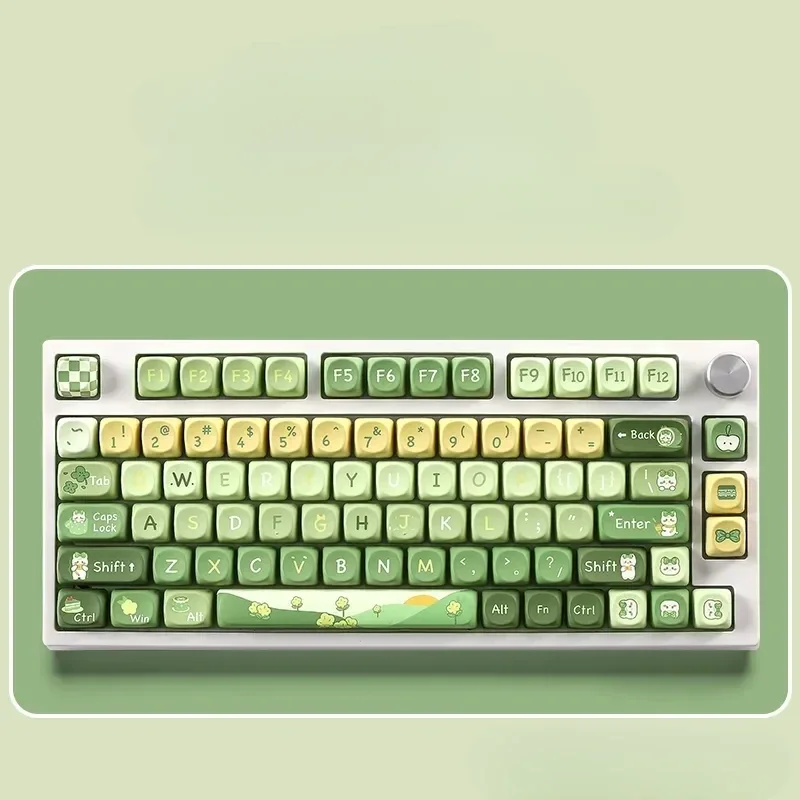
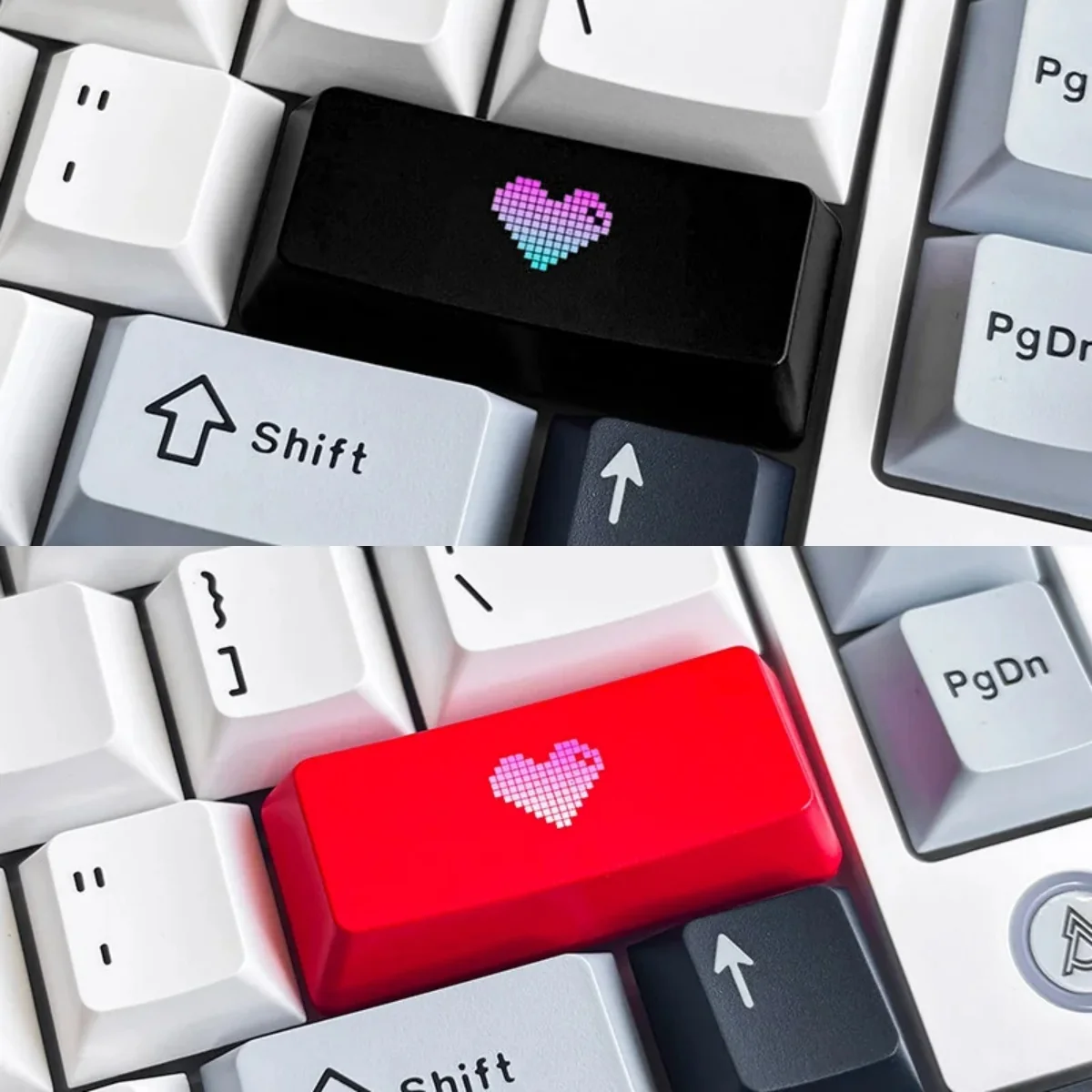
This also explains why we do not label a Kawaii Keycaps product as smooth or grainy unless the available product information verifies it. For example, the Whimsical Matcha Rabbit SOA Keycaps Set is documented as a 141-piece, double-shot PBT set. The Black & Red Heart Keycaps are documented as double-shot ABS with translucent, backlit heart legends. Those specifications confirm material and construction, but they do not by themselves guarantee a particular surface texture.
Should You Choose ABS or PBT?
Choose based on the combination of qualities you care about, not a single stereotype.
- If you mainly want a smooth surface, prioritize a confirmed smooth finish. Either ABS or PBT can work.
- If you want a dry, grippy surface, look for a documented fine texture or reliable close-up review rather than assuming every PBT set will provide it.
- If resistance to long-term shine is important, PBT is generally the safer starting point, but construction quality and use still matter.
- If you need strong backlight transmission, double-shot ABS is common, although the exact product design matters more than the material name alone.
- If legend durability is the priority, evaluate the legend method separately from surface feel.
Frequently Asked Questions
Can PBT keycaps be smooth?
Yes. PBT can be molded with a polished surface and feel smooth or satin-like. “PBT” does not automatically mean grainy.
Are all ABS keycaps shiny?
No. New ABS keycaps can have a matte or textured finish. ABS is more commonly associated with developing polished shine in high-use areas over time.
Does dye-sublimation make a keycap rough?
Not necessarily. Dye-sublimation adds the legend to a compatible blank. The blank’s mold finish is a much better predictor of its starting texture.
Can cleaning make shiny keycaps matte again?
Cleaning can remove skin oil and residue. It cannot reverse physical wear if the original microscopic texture has already been polished smooth.
Does a grainier keycap sound different?
Surface grain is usually a minor part of keyboard sound. Keycap material, wall thickness, profile, internal shape, switch, plate, and case have much larger effects.
The Practical Answer
The next time a listing says only “PBT dye-sub” or “double-shot ABS,” treat that as useful but incomplete information. It tells you about material and legend construction, not exactly what your fingertips will feel.
For smooth vs. grainy keycaps, start with the mold finish. Then consider resin, coatings, age, and wear. Most importantly, look for a direct texture description or a close-up from the actual set. That is far more reliable than choosing by ABS or PBT alone.
Source Notes
- Current shopper question and community discussion: https://www.reddit.com/r/keycaps/comments/1utrdrg/what_dictates_whether_a_keycap_has_a_smooth_or/
- Injection-molding finish principles: https://www.protolabs.com/resources/design-tips/sorting-through-surface-finishes/
- Verified Kawaii PBT product: https://kawaiikeycaps.com/product/matcha-rabbit-keycaps-set/
- Verified Kawaii ABS product: https://kawaiikeycaps.com/product/heart-keycap-backlit-abs/