

A single keycap for $90 sounds unreasonable if you judge it by typing function alone. It covers one switch. It does not make the keyboard faster, quieter, or more accurate. Yet Razer’s hand-painted resin artisan keycap reportedly sold out about eight minutes after the company announced that it was available.
The useful question is not, “Was one key worth the price?” Value is personal. The better question is: what made enough people want this particular object immediately?
The answer is that Razer was not really selling a replacement key. It was selling a compact collectible that combined recognizable identity, visible craft, limited availability, and an easy way to make a keyboard feel personal. That combination explains the sellout more clearly than hype alone.
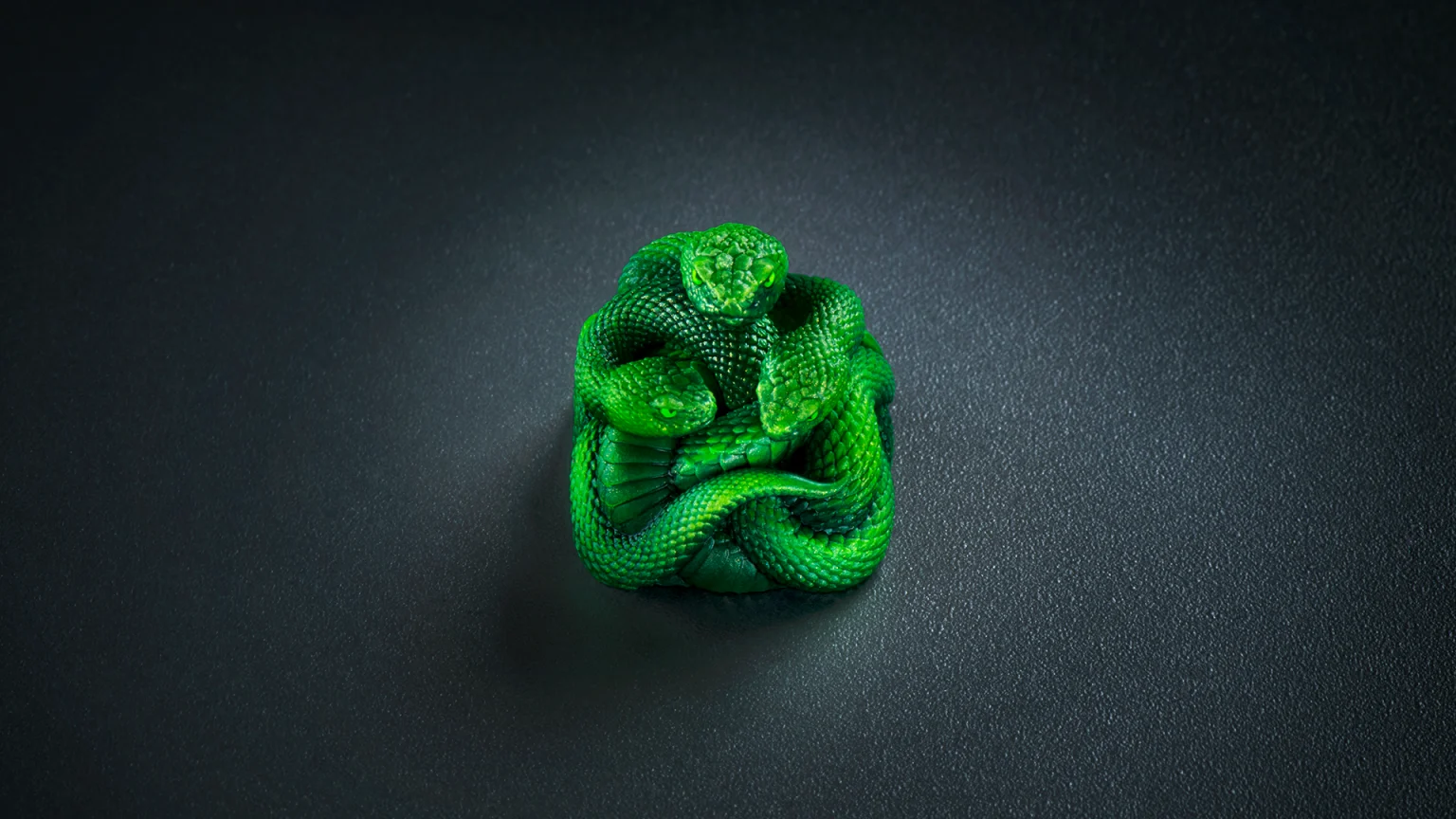
It worked as a symbol before it worked as a keycap
The design used Razer’s three-headed snake emblem, so a buyer did not need an explanation of what it represented. On a desk full of otherwise familiar gaming gear, that single sculpt immediately signaled brand loyalty and membership in a specific community.
PC Gamer criticized Razer’s launch language, but its coverage also exposed the commercial mechanism clearly: the keycap was presented as a badge of belonging, not merely a spare part.
That matters because personal keyboards sit in a curious space between tool and display. A graphics card disappears inside a case. A favorite keycap stays under your eyes and fingertips all day. It can say something about the owner without taking over the entire desk.
This is also why the strongest artisan designs usually have a clear idea, not just more detail. A recognizable silhouette, scene, creature, color story, or material effect gives the key a reason to exist. Detail helps, but meaning is what turns detail into desire.
The craftsmanship made the premium visible
Razer’s official product page describes a multi-stage process: 3D modeling, resin casting, individual hand painting, sanding and polishing, followed by two stages of quality control. Those are manufacturer claims, but they explain how the product was positioned. Buyers were invited to look at it as a miniature sculpture rather than a mass-produced plastic cap.
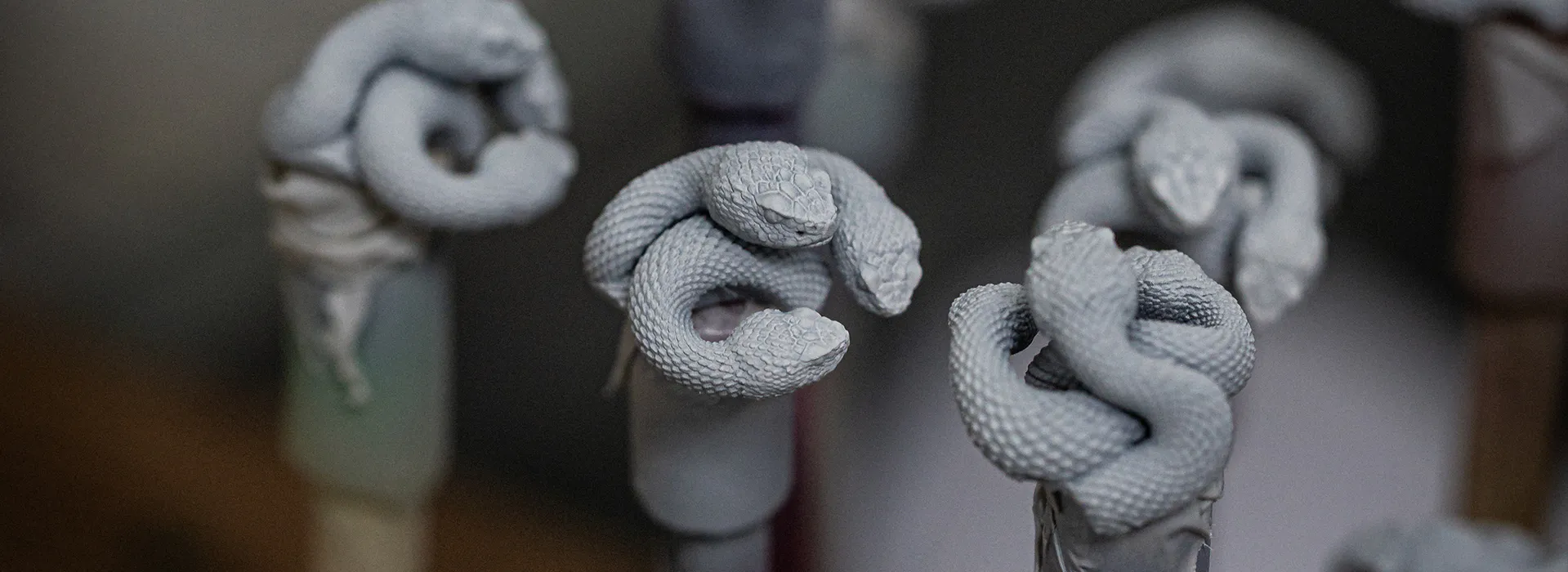
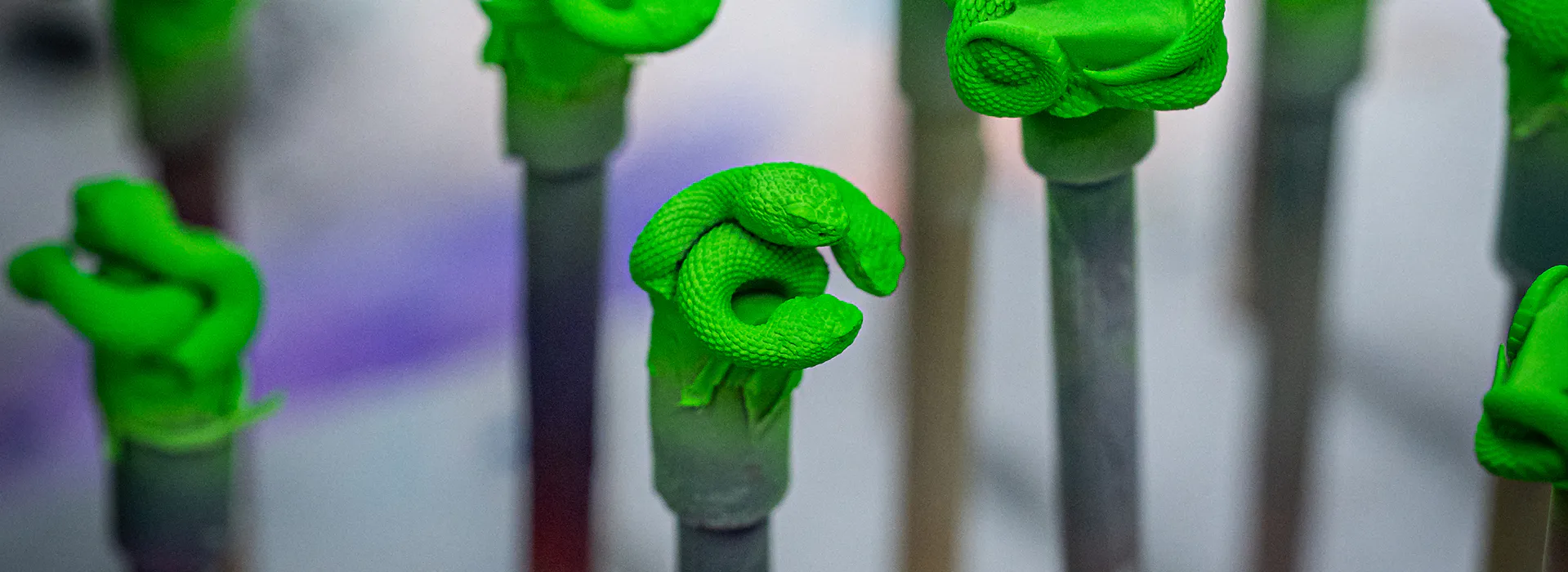
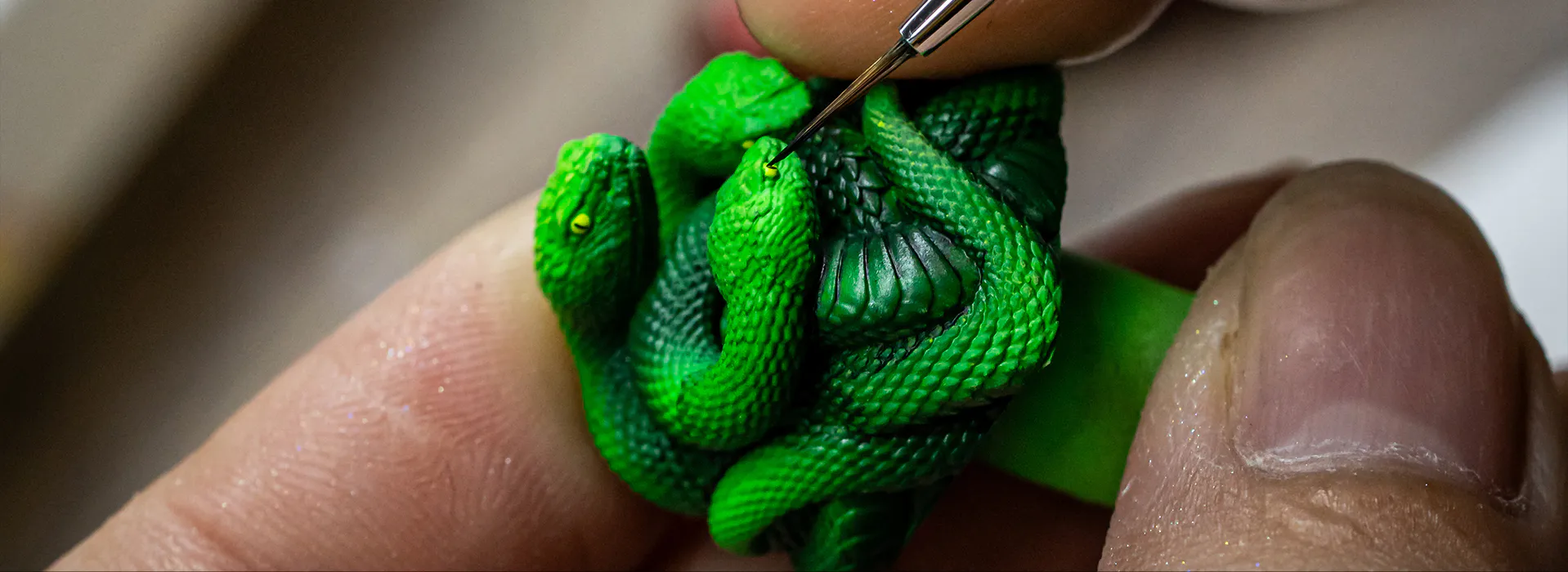
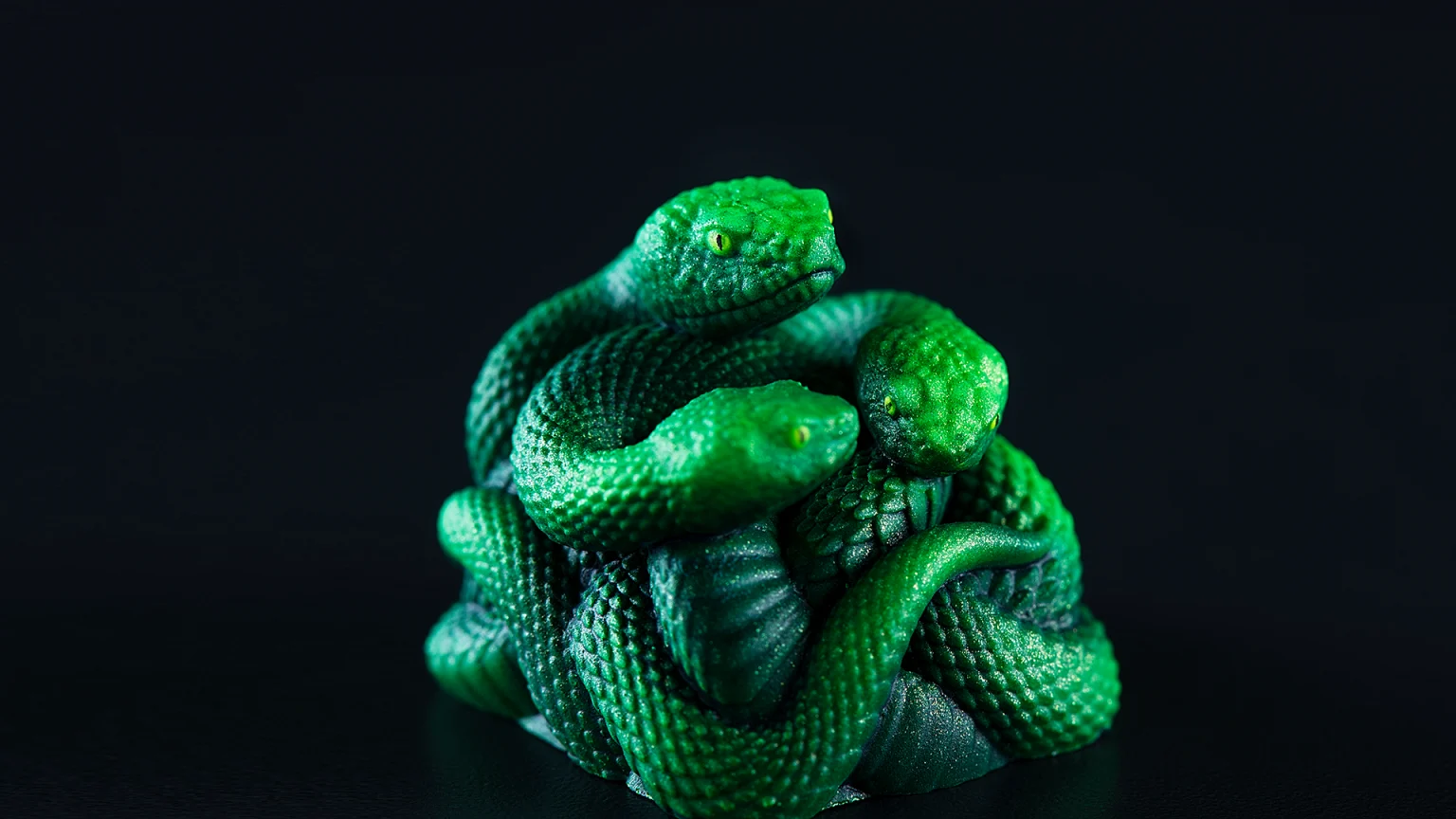
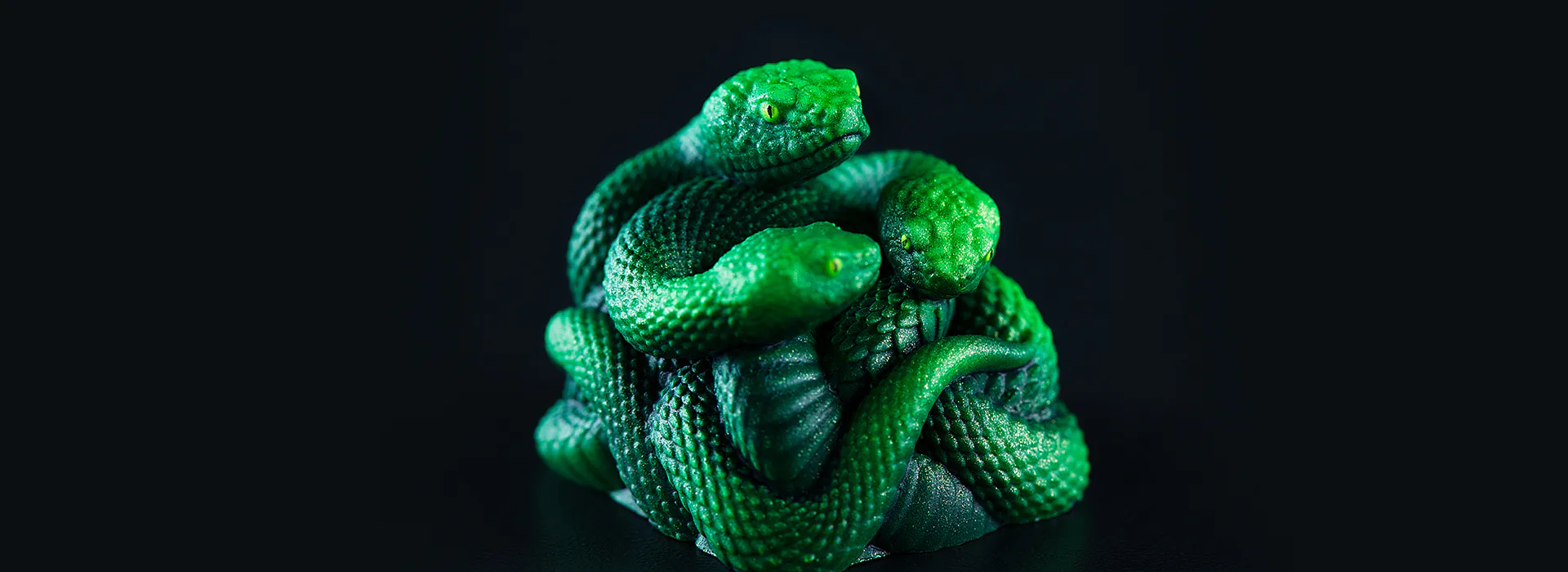
For a premium artisan keycap, the work needs to be readable at a glance. Deep sculpting creates shadows. Layered color reveals the form from different angles. A polished resin surface catches light differently from the matte keys around it. Those cues tell the eye that the object was made differently before anyone reads a feature list.
The effect is especially strong on a small object. A keycap has very little room to hide uneven paint, muddy edges, trapped bubbles, or a weak silhouette. When the fine work survives that scale, it becomes part of the appeal.
Scarcity turned admiration into a decision
Razer said the design would be produced in highly limited quantities. GamesRadar reported that it was gone roughly eight minutes after Razer’s social post and listed the launch price as $89.99 in the United States.
Limited supply did two jobs at once. It made the keycap feel collectible, and it shortened the time available to deliberate. People who already liked the design were not comparing dozens of nearly identical options; they were deciding whether to miss this one.
Scarcity by itself is not enough. A forgettable object does not become desirable simply because only a few exist. Here, scarcity completed a story that was already working: a familiar symbol, visible hand-finished detail, and a brand with an existing audience.
One key can become the focal point of the whole keyboard
An artisan keycap does not have to coordinate with every key. In many of the best setups, it works because it doesn’t. One sculpted key interrupts a field of simpler caps and gives the eye somewhere to land.
The Razer piece was made for cross-stem, MX-style switches and could replace a standard single-width key such as Escape. That position is ideal for a statement piece: it is visually separated at the top-left corner, easy to notice, and less disruptive than placing a tall sculpt in the center of the typing area.
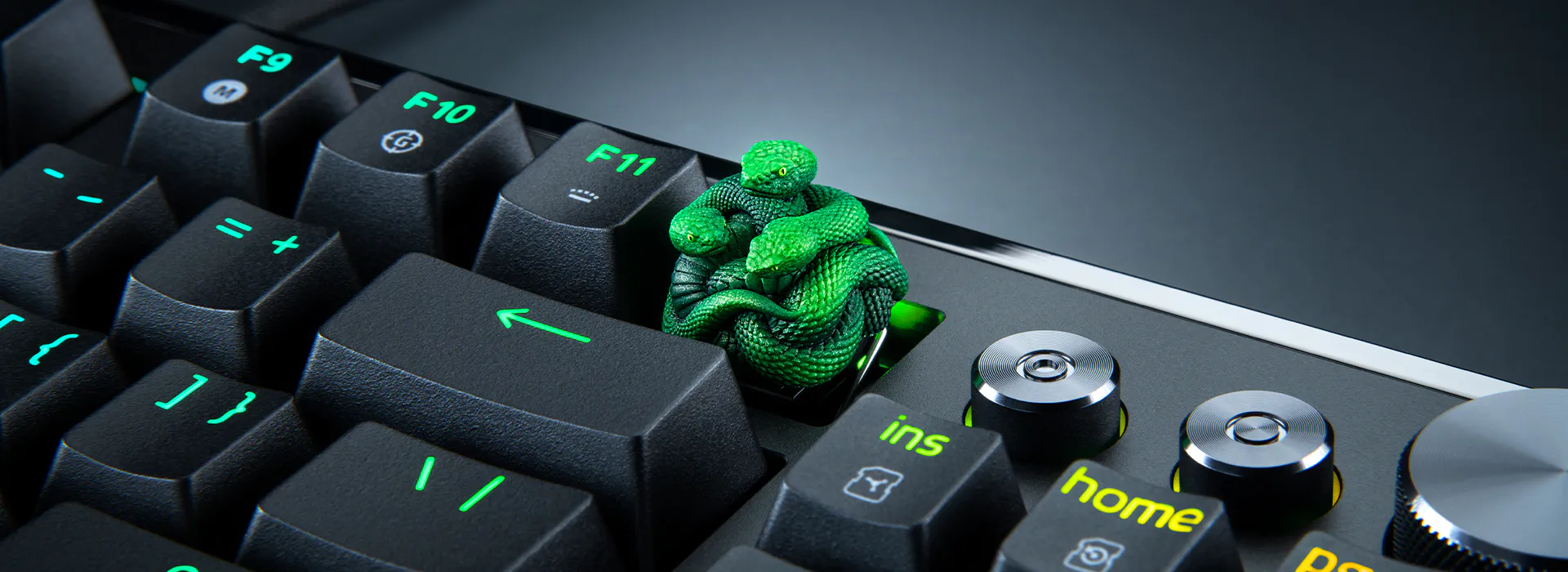
A GamesRadar reviewer also noted that the cap was compact enough to remain practical rather than towering over the board. That balance matters. A design can be dramatic without becoming awkward to press.
If you want the same one-key focal-point effect on your own board, three visual choices do most of the work:
- Contrast: let the artisan differ from the surrounding keys in color, texture, or transparency. A strong accent looks intentional when the rest of the board is relatively calm.
- Silhouette: choose a sculpt that still reads from normal sitting distance. Tiny details reward a close look, but the overall shape creates the first impression.
- Placement: start with Escape or another edge key. The artisan can anchor the composition without interrupting the keys you use most.
Why the $90 price did not stop the sellout
At $90, the keycap was expensive as a keyboard component. It was less unusual when viewed as a branded, hand-finished collectible. That change in comparison is the heart of the story.
A utility-minded buyer asks how much function one dollar buys. A collector asks whether the design feels distinctive, whether the workmanship is convincing, and whether the object will remain meaningful after the launch excitement fades. The Razer release was built for the second question.
The fast sellout does not prove that every expensive artisan is good value. It proves that a small object can command a large premium when its identity, craft, scarcity, and display value reinforce one another. Remove any one of those pieces and the price becomes harder to understand.
The broader lesson for artisan keycaps
The most interesting part of this release is not that a gaming company sold an expensive accessory. It is that one keycap carried enough visual and emotional weight to be treated like a collectible.
That is the real job of an artisan keycap. It should give the keyboard a point of view. Sometimes that comes from a favorite brand. Sometimes it comes from a tiny landscape, a flower suspended in resin, a playful sculpt, or a material that changes under the light.

You do not need to rebuild an entire keyboard to see the effect. Our artisan keycap collection includes individual designs intended to create that single focal point. For example, the resin Mountains & Seas Artisan Keycap builds a miniature landscape into one key, while the Sakura Mount Fuji Keycap uses a transparent scenic composition. They are not substitutes for the Razer release; they illustrate the same design principle in a different visual language.

Choose the one that still feels like you after the headline has passed. A lasting focal point is more valuable than a temporary rush to own whatever sold out fastest.
Kawaii Keycaps is not affiliated with Razer. Product availability and specifications referenced in this article were checked on September 2, 2026.